
Introduction
Amniocentesis is a medical test done during pregnancy. It helps doctors check the health of your baby. Many parents want to know if their baby is developing well. For this reason, amniocentesis can give important answers. This test uses a small sample of the fluid around your baby. Because it checks for certain conditions, it can help you make informed choices. In this blog, you will learn what amniocentesis is, why it is performed, and what to expect.
What is Amniocentesis?
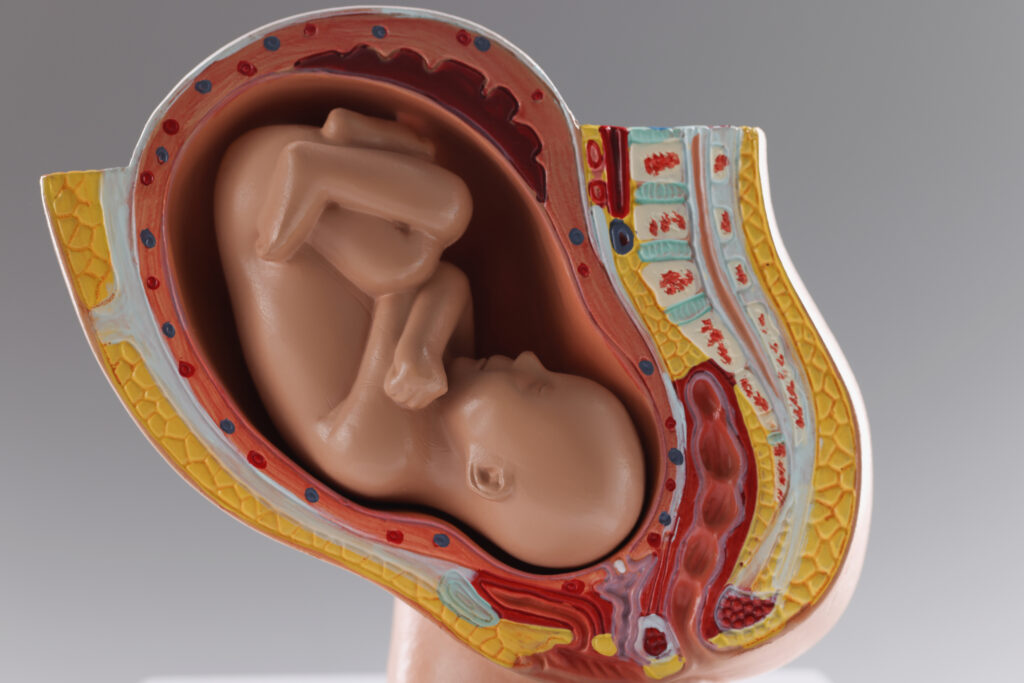
Amniocentesis is a test that takes a small amount of amniotic fluid from your womb. This fluid surrounds your baby during pregnancy. It contains cells and chemicals that show how your baby is growing. Doctors use this test to look for genetic problems or infections. Usually, amniocentesis is done between weeks 15 and 20 of pregnancy. However, your doctor may suggest it at other times if needed.
Why is Amniocentesis Performed?
Doctors may suggest amniocentesis for several reasons. Some common reasons include:
Sometimes, your doctor may suggest this test if you had abnormal results from other screenings. In addition, if you or your partner have a family history of genetic issues, amniocentesis can give more information.
How is Amniocentesis Done?
The amniocentesis procedure is simple but must be done by a trained doctor. First, you will lie on your back. Next, the doctor uses an ultrasound to find the best spot. Then, they clean your belly and insert a thin needle through your skin into the womb. Because the doctor uses ultrasound, the needle avoids the baby. The doctor takes a small amount of fluid, which is then sent to a lab for testing. The whole process usually takes about 20 minutes. Most women can go home soon after the test.
Risks and Benefits of Amniocentesis
Like any medical test, amniocentesis has risks and benefits. It is important to know both before making a decision.
Most women have no serious problems after amniocentesis. Still, you should talk with your doctor about your own risks and benefits.
Preparing for the Test
Before the amniocentesis test, your doctor will explain the steps. You may need to sign a consent form. Usually, you do not need to stop eating or drinking. However, you should tell your doctor about any medicines you take. Some women may need a full bladder for the test, while others do not. Your doctor will give you clear instructions. It is normal to feel nervous, but asking questions can help you feel more at ease.
What to Expect After Amniocentesis
After the test, you may feel mild cramps or soreness. These usually go away in a day. You should rest for the next 24 hours. If you notice heavy bleeding, fever, or fluid leaking from your vagina, call your doctor right away. Most women return to normal activities the next day. Test results are usually ready in one to two weeks. Your doctor will discuss the results and what they mean for you and your baby.
Frequently Asked Questions
Conclusion
Amniocentesis can give important information about your baby’s health during pregnancy. Although there are some risks, many women find the benefits helpful. Always talk with your healthcare provider for personalized advice about amniocentesis.