
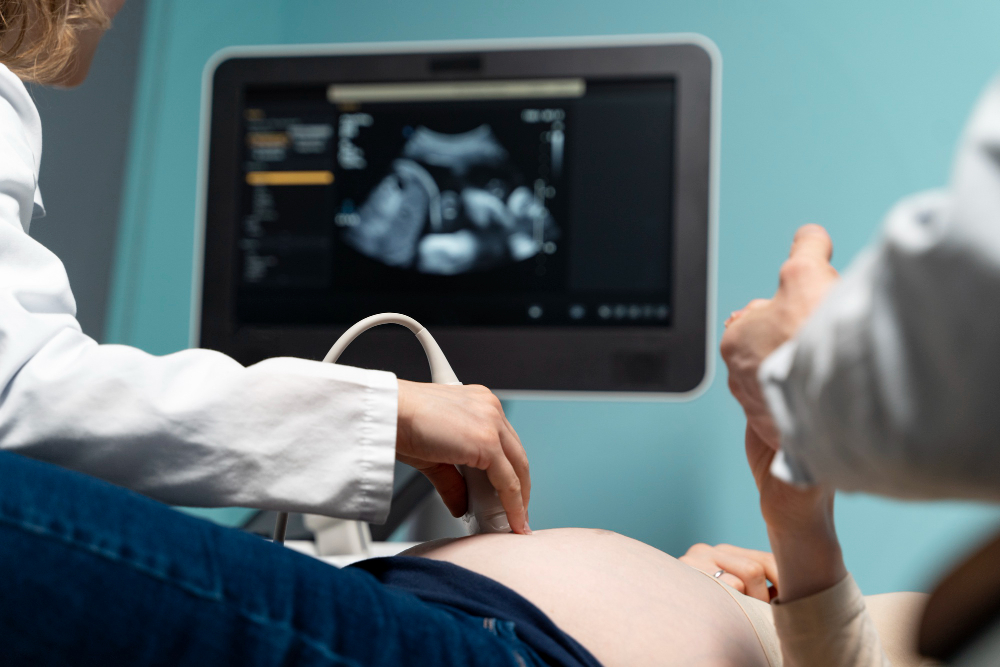
What is an Anomaly Scan?
An anomaly scan is a detailed ultrasound done during pregnancy. Many people also call it the mid-pregnancy ultrasound, fetal anomaly scan, or 20-week scan. This test checks your baby’s growth and development inside the womb. It helps doctors look for any physical problems or birth defects. Because it is safe and painless, most pregnant women have this scan as part of routine care.
Why is an Anomaly Scan Important?
First, the anomaly scan helps check your baby’s health. It can spot problems early, so doctors can plan the best care. Also, it gives parents peace of mind. If any issues are found, you can discuss options with your healthcare provider. According to the World Health Organization (WHO), regular prenatal ultrasounds improve pregnancy outcomes.
When is the Anomaly Scan Performed?
Usually, the anomaly scan is done between 18 and 22 weeks of pregnancy. Most doctors recommend the 20-week scan as the best time. At this stage, your baby is big enough for doctors to see important details. However, the timing may vary based on your doctor’s advice or hospital policy.
How is the Anomaly Scan Done? (Procedure)
The anomaly scan is simple and safe. Here is what you can expect:
Most women find the test comfortable. You can bring a partner or family member for support.
What Does the Anomaly Scan Detect?
The anomaly scan checks your baby’s body from head to toe. It looks for:
In addition, the scan may show your baby’s sex, if you wish to know. However, the main goal is to check for birth defects or health concerns.
Preparing for Your Anomaly Scan
Getting ready for the scan is easy. Here are some tips:
Most hospitals and clinics offer this scan as part of pregnancy screening. You can ask your doctor about local options.
What Happens After the Scan?
After the scan, the technician will share the images with your doctor. Sometimes, you may get a brief summary right away. However, a full report may take a few days. If the scan shows any concerns, your doctor will explain the next steps. This may include more tests or a visit to a specialist. Most scans show normal results, so you can relax and enjoy your pregnancy.
Frequently Asked Questions about Anomaly Scans
Conclusion
An anomaly scan is a key part of pregnancy care. It checks your baby’s health and helps spot problems early. Because it is safe and simple, most women have this scan between 18 and 22 weeks. For any questions or worries, consult your healthcare provider for personalized advice about anomaly scans during pregnancy.