
What Is a Fetal Echo?
A fetal echo, also called fetal echocardiography, is a special ultrasound. It checks your baby’s heart while still in the womb. Doctors use this test to see the structure and function of the baby’s heart. Unlike a regular pregnancy ultrasound, a fetal echo focuses only on the heart. This scan helps find heart problems early. Because it is safe and painless, many parents feel reassured by the results.
Why Is a Fetal Echo Performed?
Doctors may suggest a fetal echo for several reasons. Sometimes, a routine pregnancy scan shows something unusual. Other times, family history or certain health conditions raise concern. For example, if a parent or sibling has a heart problem, a fetal echo can help. In addition, mothers with diabetes or certain infections may need this scan. Early detection allows doctors to plan the best care for your baby.
How Is a Fetal Echo Done?
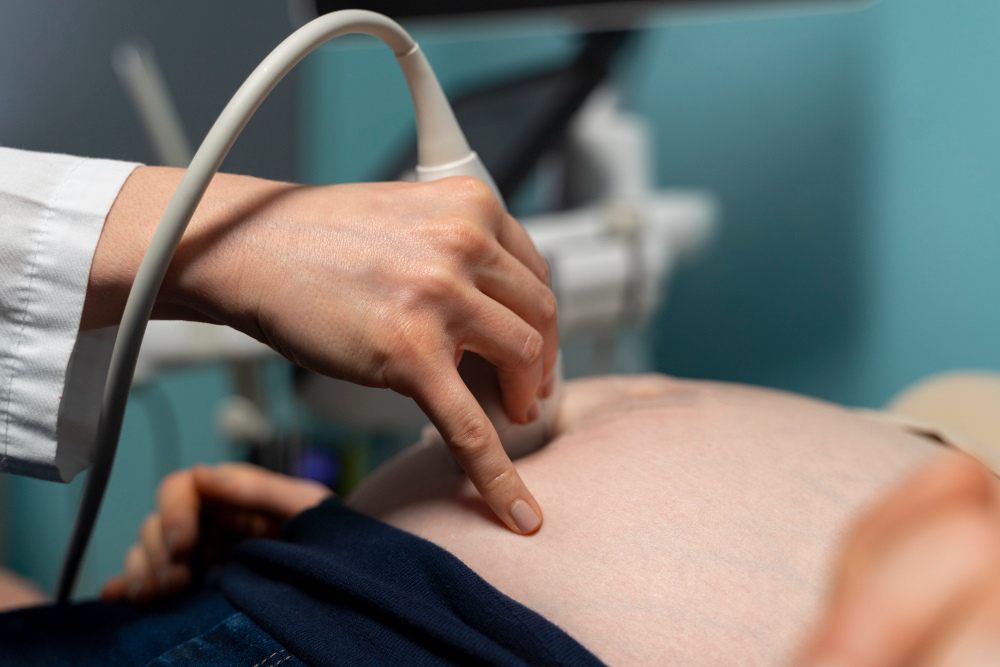
During a fetal echo, a trained doctor or technician uses a small device called a probe. First, you will lie down comfortably. Next, a gel is placed on your belly. Then, the probe moves over your skin. The machine sends sound waves to create pictures of your baby’s heart. You may hear whooshing sounds as the heart beats. The test usually takes 30 to 60 minutes. Most women feel no pain, just a bit of coolness from the gel. After the scan, you can return to your normal activities.
When Is a Fetal Echo Recommended?
Doctors often recommend a fetal echo between 18 and 24 weeks of pregnancy. However, in some cases, it may be done earlier or later. If you have risk factors, your doctor may suggest the test sooner. For example, if you have a family history of heart problems, early testing helps. Also, if a routine scan shows a possible issue, a fetal echo can give more details. In many cities, you can find fetal echo services at major hospitals or fetal medicine centers.
What Are the Benefits and Limitations?
Fetal echo offers many benefits. It helps find heart problems before birth. This allows doctors to plan treatment early. Sometimes, knowing about a heart issue helps parents prepare. However, the test has some limits. For example, very small or mild heart problems may not show up. Also, the baby’s position can make it hard to get clear pictures. Even so, fetal echo is one of the best tools for checking a baby’s heart during pregnancy.
How to Prepare for a Fetal Echo
Preparing for a fetal echo is simple. Usually, you do not need to fast or change your routine. However, wearing comfortable clothes can help. You may want to bring a support person for comfort. Arrive a few minutes early to relax before the test. If you have questions, write them down to ask the doctor. Most clinics will explain the process before starting.
Frequently Asked Questions (FAQs)
If you have concerns about your baby’s heart, consult a fetal medicine specialist for personalized advice about fetal echo.