
What is a Follicular Monitoring Scan?
A follicular monitoring scan is a special ultrasound test. It helps track the growth of egg follicles in a woman’s ovaries. Doctors often use this scan during fertility treatments. In fact, it is a key part of ovulation tracking and fertility scans. The scan shows when the egg is ready for release, which is called ovulation. Because of this, it helps couples trying to conceive. The scan is safe, painless, and does not use radiation.
Why is Follicular Monitoring Important?
Follicular monitoring is important for many reasons. First, it helps doctors find the best time for conception. Also, it can detect problems with ovulation. For women with irregular cycles, this scan gives clear answers. In addition, it guides fertility treatments like IVF or IUI. Here are some key reasons why doctors recommend it:
How is the Follicular Monitoring Scan Performed?
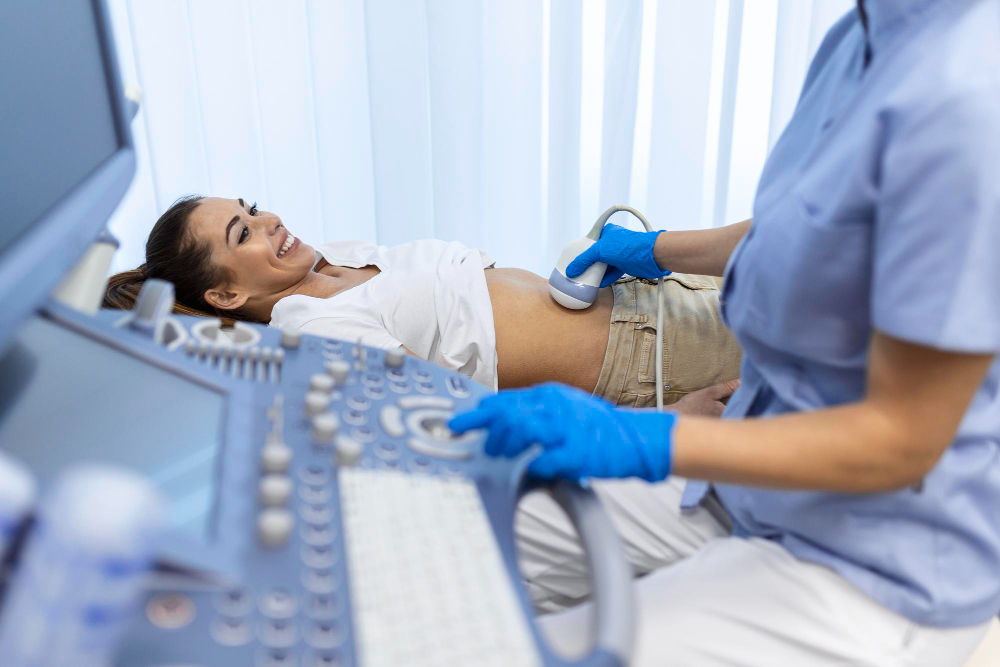
The follicular monitoring scan uses ultrasound technology. Usually, a doctor or trained technician performs the scan. Most often, it is done using a transvaginal ultrasound. This means a small probe is gently placed inside the vagina. The probe sends sound waves to create images of the ovaries and follicles. Sometimes, an abdominal scan is used, but it is less common. The scan is quick and usually takes less than 15 minutes.
What to Expect During the Procedure
Before the scan, you may be asked to empty your bladder. This makes the images clearer. During the scan, you will lie on an exam table. The doctor will cover the probe with a clean cover and gel. Then, the probe is gently inserted into the vagina. You may feel mild pressure, but it should not hurt. The doctor will move the probe to get clear pictures. After the scan, you can return to normal activities right away. There is no recovery time needed.
Benefits and Limitations
Follicular monitoring scans offer many benefits. However, there are some limitations as well. Let’s look at both sides:
Frequently Asked Questions
When to Consult a Specialist
If you are trying to conceive and have irregular periods, it is wise to talk to a fertility specialist. Also, if you have been trying for over a year without success, seek medical advice. Early consultation can help find the cause and guide the right treatment. Remember, every woman’s body is different. Because of this, personalized care is important.
For more information or if you have concerns, consult a specialist for personalized guidance.