
Introduction
USG MSK, or musculoskeletal ultrasound, is a safe imaging test. It helps doctors see the bones, joints, and muscles of a baby before birth. In fetal medicine, USG MSK plays a key role in checking for problems early. Because it uses sound waves, there is no radiation. Many parents want to know how USG MSK works and why it is important. This guide will explain everything you need to know about USG MSK in fetal radiology and prenatal imaging.
What is USG MSK?
USG MSK stands for musculoskeletal ultrasound. It is a test that uses sound waves to create pictures of the muscles, bones, and joints. In fetal medicine, doctors use USG MSK to look at a baby’s arms, legs, hands, feet, and spine while still in the womb. Because it is painless and quick, USG MSK is often used during pregnancy. This test helps doctors spot any bone or muscle problems early.
Why is USG MSK Important in Fetal Medicine?
USG MSK is very important in fetal medicine for several reasons. First, it helps doctors find bone or joint issues before birth. Early detection means better planning and care for the baby. Also, USG MSK can show if there are problems with the baby’s limbs or spine. For example, it can help spot clubfoot or missing bones. Because of this, USG MSK is a key part of prenatal imaging and fetal radiology.
Common Indications for USG MSK
Doctors may suggest USG MSK during pregnancy for many reasons. Some common indications include:
Sometimes, if a family has a history of bone problems, doctors may use USG MSK to check the baby early.
How is USG MSK Performed?
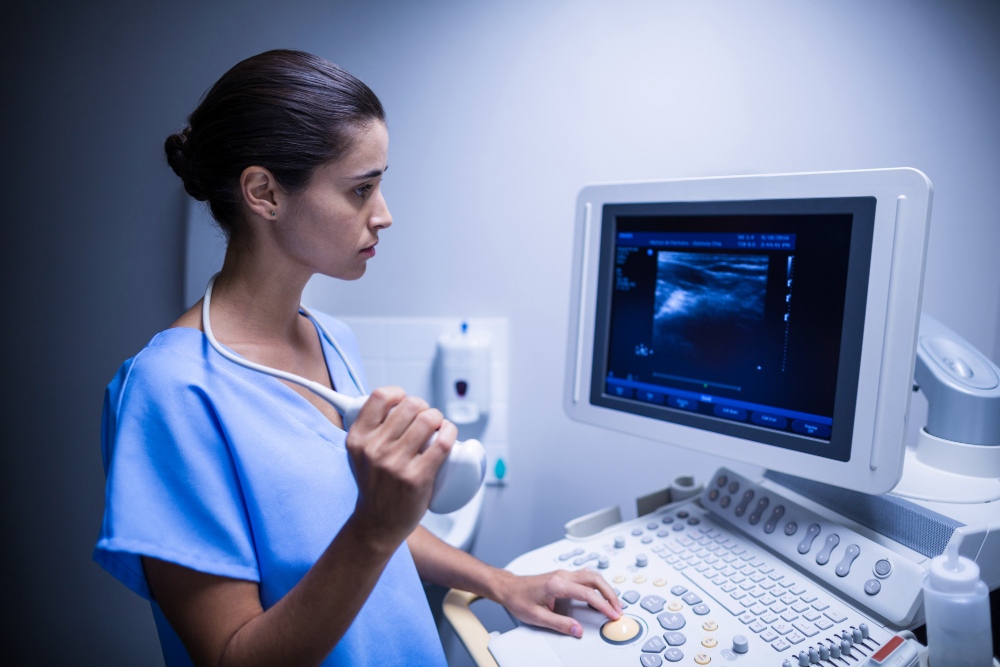
USG MSK is a simple and safe test. First, the doctor or technician puts a special gel on the mother’s belly. Next, a small device called a transducer moves over the skin. This device sends sound waves into the body. The waves bounce back and create pictures on a screen. Because the test is painless, most mothers feel comfortable during the scan. Usually, the whole process takes about 20 to 40 minutes.
What to Expect During the Procedure
During USG MSK, you will lie on a bed. The room may be dim to help the doctor see the images clearly. The gel may feel cool, but it does not hurt. The doctor will move the transducer gently over your belly. You may see images of your baby’s bones and joints on the screen. After the test, the gel is wiped off. You can return to normal activities right away. Most parents find the experience easy and stress-free.
Benefits and Limitations of USG MSK
USG MSK offers many benefits in fetal medicine:
However, there are some limitations:
Even so, USG MSK remains a valuable tool in prenatal imaging.
Safety and Risks
USG MSK is very safe for both mother and baby. Because it uses sound waves, there is no risk of radiation. According to the World Health Organization (WHO), ultrasound is safe when used by trained professionals. Side effects are rare. Some mothers may feel slight pressure from the transducer, but it is not painful. If you have concerns, always talk to your doctor before the test.
Frequently Asked Questions
Conclusion
USG MSK is a safe and helpful tool in fetal medicine. It helps doctors check a baby’s bones and joints before birth. Because early detection is important, USG MSK supports better care for both mother and baby. For more details or personal advice, consult a fetal medicine specialist about USG MSK.