
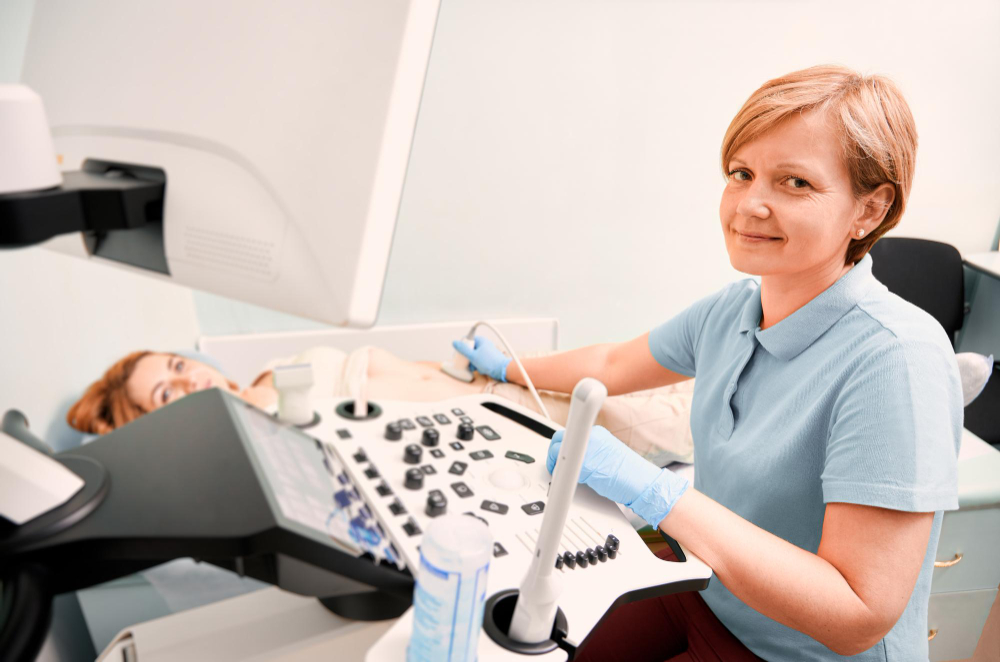
What is Ultrasound TVS Pelvis?
Ultrasound TVS pelvis, also called transvaginal ultrasound, is a safe imaging test. Doctors use it to look at organs inside the female pelvis. These organs include the uterus, ovaries, and fallopian tubes. The test uses sound waves to create clear pictures. Unlike X-rays, it does not use radiation. Because of this, it is safe for most people. Many clinics offer ultrasound TVS pelvis in cities and towns across the country.
Why is Ultrasound TVS Pelvis Performed?
Doctors may suggest this scan for several reasons. Often, it helps find the cause of symptoms like:
Sometimes, it checks the health of a pregnancy in early stages. In addition, it can help monitor known conditions, such as fibroids or ovarian cysts. According to the World Health Organization (WHO), ultrasound is a trusted tool for pelvic health.
How to Prepare for the Procedure
Preparing for a pelvic scan procedure is simple. Usually, you do not need to fast or change your diet. However, your doctor may give special instructions. For example, you may be asked to empty your bladder just before the scan. This helps get clearer images. Wear comfortable clothing, as you may need to change into a gown. If you have questions, ask your care team before the appointment.
Step-by-Step Procedure Overview
Knowing what to expect can ease worries. Here is a step-by-step guide:
During the scan, you may feel slight pressure. However, most people find the procedure easy to tolerate.
Benefits and Limitations
Ultrasound TVS pelvis offers many benefits. For example, it provides clear images of pelvic organs. It helps doctors find problems early. Also, it is quick and does not use radiation. Here are some key benefits:
However, there are some limitations. Sometimes, small growths or deep tissues may not be seen clearly. In rare cases, other tests may be needed for a full diagnosis. Still, for most people, TVS scan benefits outweigh the limits.
Safety and Risks
Transvaginal ultrasound is very safe. Because it does not use radiation, there is no risk of exposure. Most people do not have side effects. Sometimes, you may feel mild discomfort during the scan. Rarely, there may be slight spotting afterward. If you feel pain or have heavy bleeding, contact your doctor. The Centers for Disease Control and Prevention (CDC) states that ultrasound is a low-risk test for pelvic health.
Frequently Asked Questions
When to Consult a Specialist
If you have pelvic pain, unusual bleeding, or concerns about your pelvic health, talk to a doctor. Early care can help find and treat problems quickly. If your doctor suggests an ultrasound TVS pelvis, ask questions about the procedure. In many cities, you can find clinics that offer this scan. Always choose a qualified specialist for your care.
For personalized advice about ultrasound TVS pelvis or if you have concerns about pelvic health, consult a qualified specialist.